
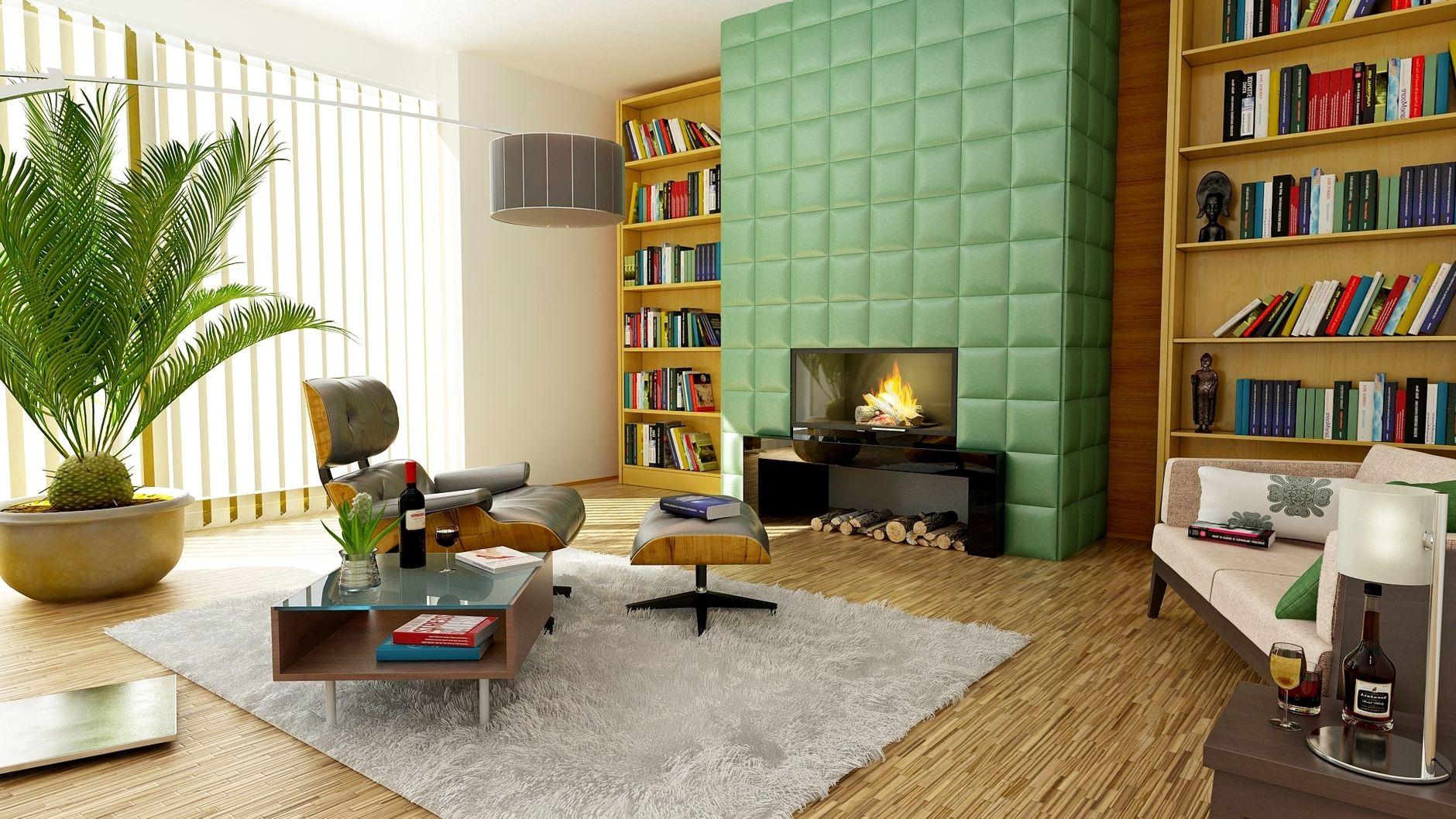
Every gas fireplace in the building, checked one unit at a time
Plan a building visit
Say how many units have fireplaces and whether they burn gas or wood. We call back to plan the order of units.
One gas list, unit after unit
Each gas fireplace in the building is checked against an identical list, so the pages line up and a board can compare one unit with the next.
- Shutoff: the valve that cuts gas to the fireplace is found, reachable and turns.
- Pilot and ignition: the unit lights and the flame holds, or the fault is noted.
- Burner and logs: flame shape, soot on the logs and the glass, logs sitting where the maker placed them.
- Glass front: whole, fastened and sealed, with any screen in place.
- Clearances: furniture, decor and stored boxes kept away from the front and the top.
- Carbon monoxide: a reading at the front of the unit while it runs.
- Vent end outside: open, undamaged and free of nests, plants and paint.
Venting across a building
In a building, the vents are where small problems multiply. Some units vent straight through an outside wall, some up through the roof in a framed chase, some into old masonry flues. A vent cap behind a shrub, a chase cover that has rusted through, or a termination painted over during exterior work can affect several units at once.
So the visit includes the outside of the building as well as the inside of each unit. Vent ends are photographed and matched to their units in the report, which makes it easy for a board to see that, for example, all of the north-facing units share one problem with their caps.
Pages a manager or board can file
Each fireplace gets one dated page: unit number, fuel, what was checked, what was found, a photo of anything that needs work and the label it carries. Units that pass are recorded as passing, which matters just as much when an insurer or a lender asks what was done.
The pages are written for a reader who has never seen the unit. A board member can follow them at a meeting without anyone translating.
Wood units in the same building
Older buildings in Whittier often mix gas and wood fireplaces. Wood units get the same visual look plus a note on whether a sweep is due. Where a wood flue raises a question the visual look cannot answer, we flag it for a camera visit rather than guessing, and the board decides.
Per-fireplace pricing
The building price follows the number of fireplaces. Each one gets the checklist and its own page at the per-fireplace rate. Camera visits and sweeps are added only for the units that need them.
- Per fireplace: checklist and its own dated page
- $53
- Camera visit for a unit the walk-through flags
- $380
- Sweep for a wood-burning unit
- from $405
Repairs found during the visit are listed per unit and priced separately.
Building and HOA questions
Do you need to get into every unit?
For the checklist, yes, because the shutoff, the pilot and the glass are inside. We plan the order of units with the manager so access notices can go out ahead of the visit.
Who owns the vent, the HOA or the unit owner?
That depends on the building's documents, not on us. What we can do is mark in the report which items are inside the unit and which are on the exterior, so the board can apply its own rules.
What happens if a unit smells of gas?
We shut that unit's fireplace off, tell the manager on the spot and record it. Anyone who smells gas should leave the unit and call the gas utility from outside.
Can we spread the building over more than one visit?
Yes. Many managers split a building by floor or by block. The price per fireplace stays the same.
Do you repair what you find?
We can. Repairs are priced per unit in a separate document, so the inspection pages stay a plain record of condition for the file.
Gas fireplaces across a building?
Use the contact page to tell us the building, the number of fireplaces and the fuel each one burns. We plan the visit unit by unit and send the pages to the manager or the board.
Book a Second Look