
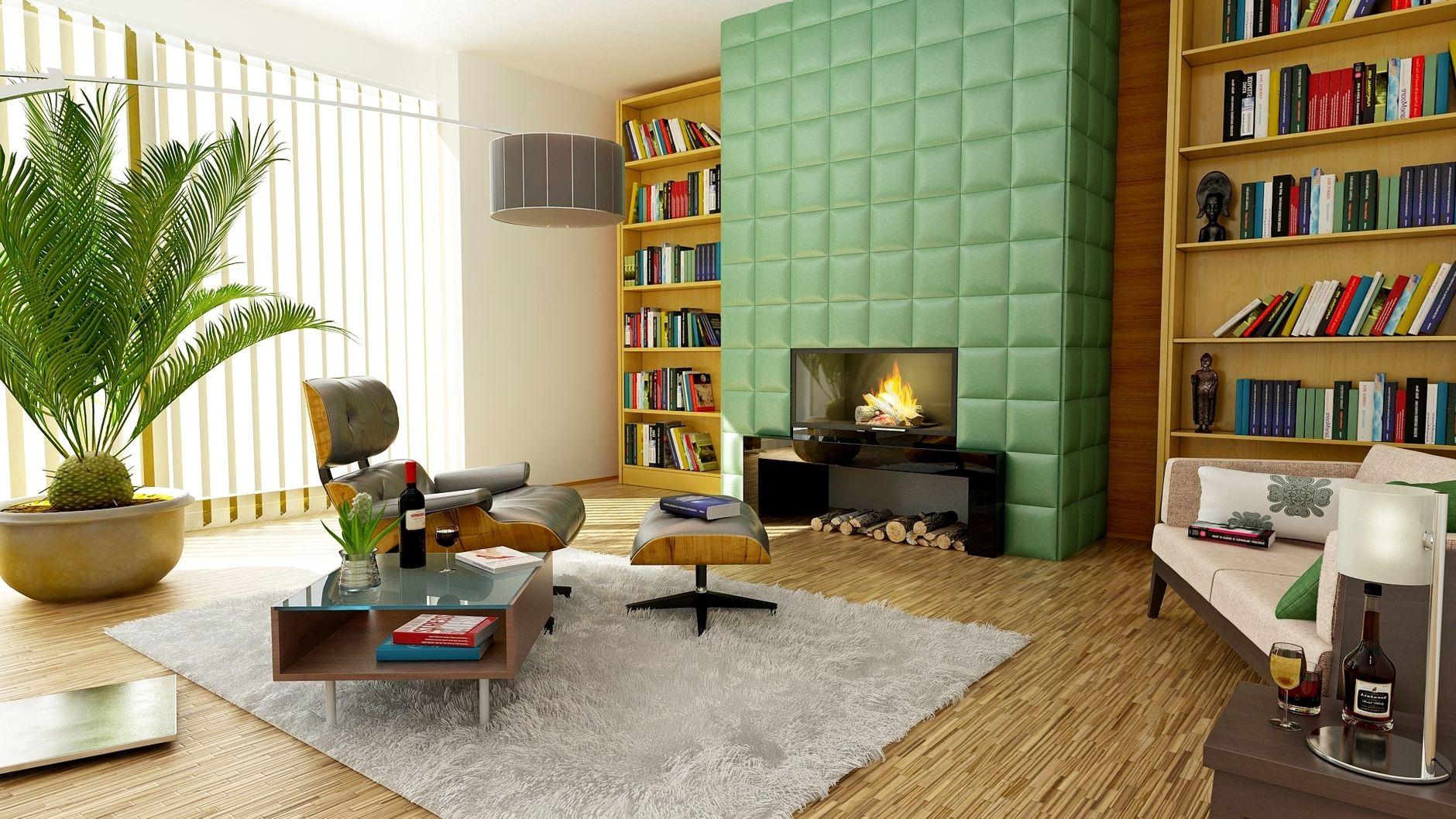
An older chimney, read part by part before the sale
Arrange a sale visit
Mention whether you are buying or selling and how we get in. We phone you back to book a time.
Brick, tile, damper and crown, read in turn
A chimney on a house built before 1980 is usually a stack of brick around a column of clay tile, with a metal damper at the throat and a slab of mortar or concrete on top. In Whittier many of these were laid long before flue cameras existed, and most have been through at least one serious shake. Each part fails in its own way, so our Level 2 visit treats them one at a time and gives each its own page in the report.
- Clay flue tile: we follow it with the camera and note splits, open joints and tiles that have stepped out of line.
- Cast iron or steel damper: we work it, look at the plate for rust and warping, and check that it seals.
- Smoke chamber: the sloped brick above the damper, checked for gaps that could let heat toward the framing.
- Firebox: firebrick and joints, looked at for cracks and missing mortar.
- Brick and mortar above the roof: tested by hand for rows that move or joints that crumble.
- The slab on top and the metal at the roof: cracks, lifted edges and gaps where water gets in.
How age shows up in each part
Clay tile does not wear out quietly. It splits after a very hot fire or a shake, and the split rarely shows from outside. Older dampers rust at the hinge and sag, so they no longer close, which matters less for safety than for the heating bill and the rain that falls on them. Soft lime mortar, common in older brick, washes out of the joints over decades of winter storms, and the top few rows go first.
None of this means an older chimney is a bad one. Many are sound, and the report says so plainly. What it means is that a look from the room cannot tell you which you have. The camera can, and the photos let both sides of the sale see the same thing.
Why a sale is the time to look
A house changing owners is the moment the code guide, NFPA 211, picks out for the camera depth, and for good reason. The new owner inherits a chimney whose history nobody wrote down. A seller who books us before listing finds out first and decides what to do with the answer. A buyer who books during the deal gets the facts before the price is settled rather than after.
Either way, the pages are the same. We write each finding with a photo, where it sits in the chimney and what it means for using the fireplace, so the report can travel between agents without being rewritten.
When the deal already holds a chimney report
Older houses often arrive at us with someone else's chimney report already attached, sometimes with a large repair list. We run our own camera and say which findings we can see, which we would fix differently and which we cannot find. The aim is not to overturn the first report. It is to give both sides a frame for every claim, so the negotiation is about money rather than about whose inspector is right.
Price for a sale visit
One fee per visit for the camera inspection. The visual look is listed for comparison; it does not send a camera into the flue and is not what a sale needs.
- Camera visit for an older house changing hands
- $380
- Hearth and roof look, no camera
- $53
Repairs the visit finds are listed in the report, with our price beside each one where we publish it.
Older house sales: common questions
The house was built in the 1950s. Is the chimney likely to fail?
Age alone does not tell us. Plenty of chimneys from that era are sound. What it does tell us is that the tile and mortar are old enough that a camera is the only fair way to judge them before money changes hands.
Does an old damper that will not close fail the chimney?
Usually it is a repair item rather than a safety stop. We note whether it seals, whether it is rusted through, and what the usual fix would be. A damper on its own rarely changes a sale.
Can the seller book the visit and still share it with the buyer?
Yes. Whoever books names the people who should receive it, and each of them gets the same report with the same photos.
What if the camera cannot see part of the flue?
The report says which stretch we saw and which we did not, and why. Heavy soot is the usual reason, and a sweep from $405 lets the camera finish the job.
Do you also price the repairs?
Where a fix sits on our price list, the figure goes beside it in the report. Other repairs get a written price of their own once we know the extent, kept apart from the report so it stays a record of condition.
Selling or buying an older Whittier house?
Use the contact page to say which side of the deal you are on and how we get in. We set up the camera visit and send the report to the people you name.
Book a Second Look